
The promotional period is a stressful time. You are trying to figure out your study system, trying to understand what’s important versus whats noise, and grinding for several months to get the best possible score. My case was different. I had two goals for undertaking:
- The first, was to get the highest possible score I could and
- Second, I wanted to test my AI skills both for personal and professional curiosity.
Our department was starting to become “AI curious” and I was the guy making the case to internal stakeholders for adopting these tools. With the department relying on my guidance for our AI rollout, I felt a responsibility to prove its worth, not just as a novelty, but as a way to boost our business intelligence and streamline high-friction operations. I stress tested AI in the process by not getting outside help whatsoever. To boot, I was already at what might be the slowest station is all of Hampton Roads where we not only ran the least amount of calls, but we didn’t even listen to the radio. That meant not hearing radio chatter, size ups, and all the other things you pick up on when hearing your colleagues run calls.
So it had been almost 4 years since I was running calls, getting real reps, and listening to the radio. And for the icing on the cake, I also had to take and pass my Officer 1 class in order to even qualify for the process.
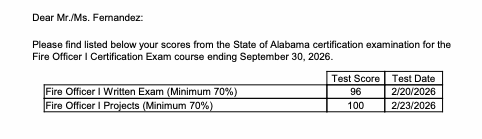
The assessment center is a very human oriented process and some of the best ways to practice for this portion of the process is to well, interact with other humans. Most people are doing tactical scenarios with their crews and practicing role play and in basket scenarios with trusted people who had gone through the process before them. did none of that. I wanted to put this whole thing on the back of Artificial Intelligence and my understanding of how I could make it work for me. I built an AI system to practice every facet of the test from the written exam to the assessment center which included as in-basket, role play and 2 tactical exercises.
Before I break down my system, I’d like to address a misconception that using AI is a shortcut or a way to “cheat” the process.That couldn’t be further from the truth. While I used AI as my study partner, brainstormer, and mentor I still put in several hours of studying every single day for months. The difference is that I did not waste a single minute on low return study practices. I maximized every study tool and method to obtain and retain the most of amount of knowledge possible. I built a bespoke academy that forced me into active recall and constant testing. This is the method to my madness.
Step 1: Give Your Bibliography To Your LLM (I used Gemini)
The first step is to take your official or assumed study list and hand it over to Gemini. You likely have a general idea of when your department holds promotional tests. Do not wait for the formal announcement to begin; work backward from that window and commit to a rigorous schedule.
I recommend giving yourself at least 4 months for this process. Consider the stakes. This promotion represents a significant pay increase that will follow you for the rest of your career; it deserves a 4-month investment of your time and focus.
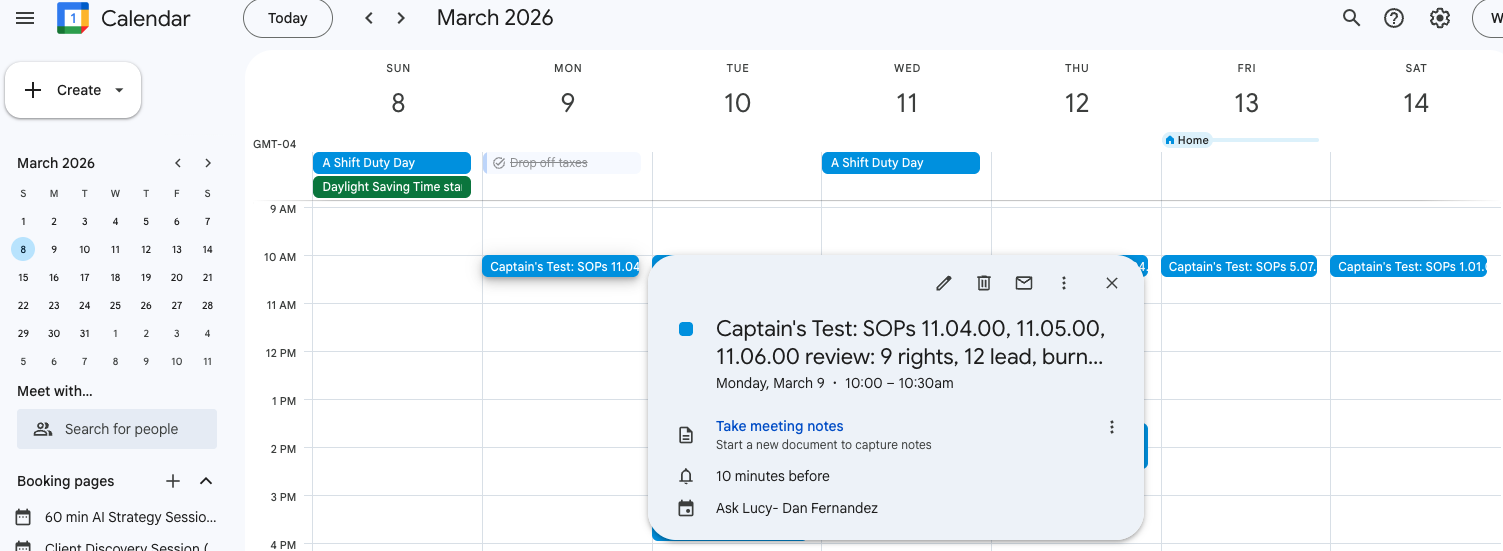
Tell the AI how many weeks you have until that estimated test date. Instruct it to create a schedule that covers every SOP, protocol, and document with 2 weeks to spare (those final 2 weeks are for pure review).
Step 2: Creating The Hub
Once you have your schedule, add it to your calendar. This was my guiding light every morning. If the calendar said “Vehicle Maintenance 6.02,” that was the mission.
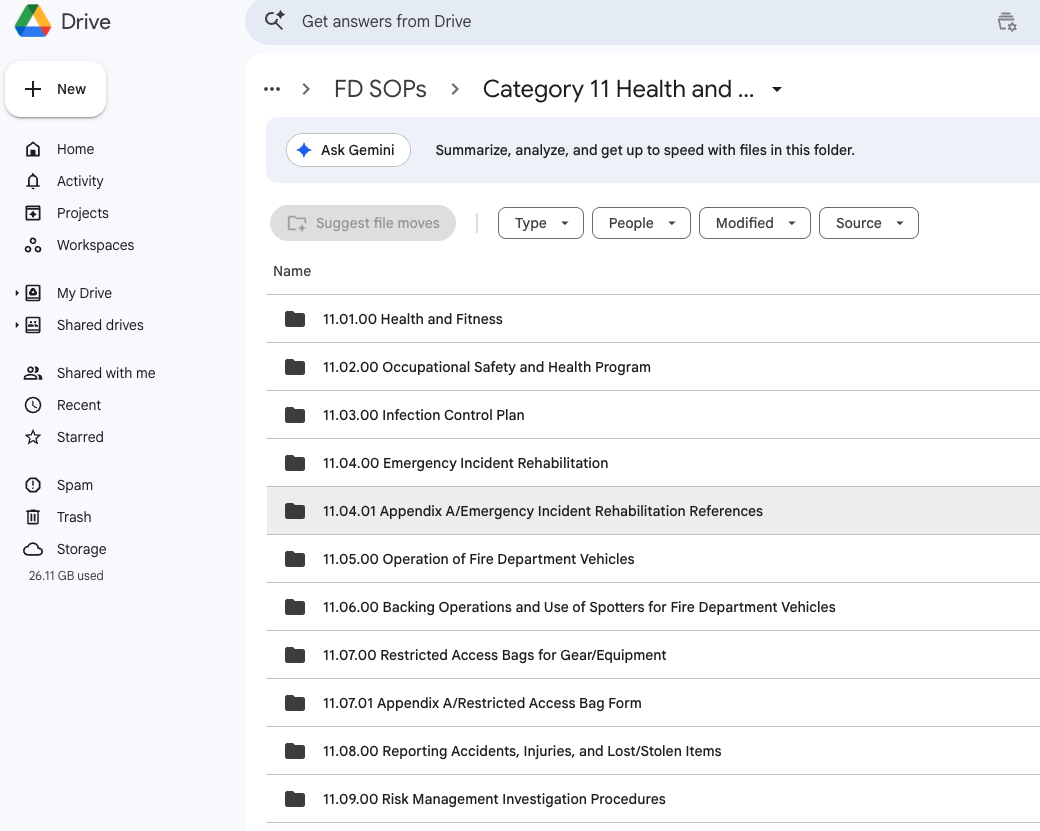
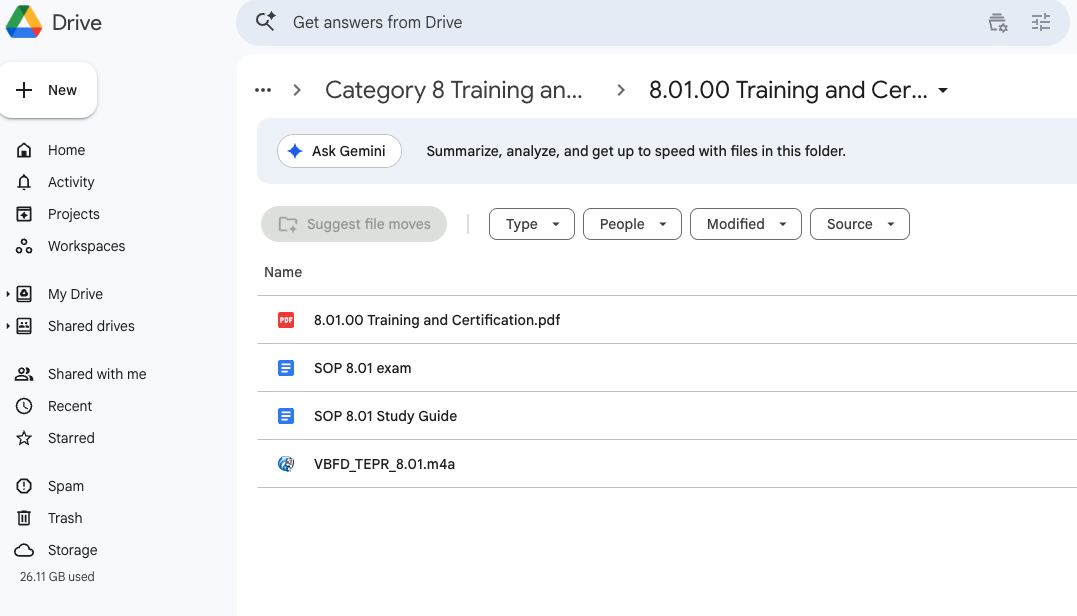
I mirrored our department SharePoint structure in a Google Drive folder system. Every SOP got its own folder. Inside each folder, I required 3 specific assets:
- 25-question multiple-choice exam with an answer bank.
- An audio overview podcast.
- A condensed study guide.
Step 3: Generating Assets In NotebookLM
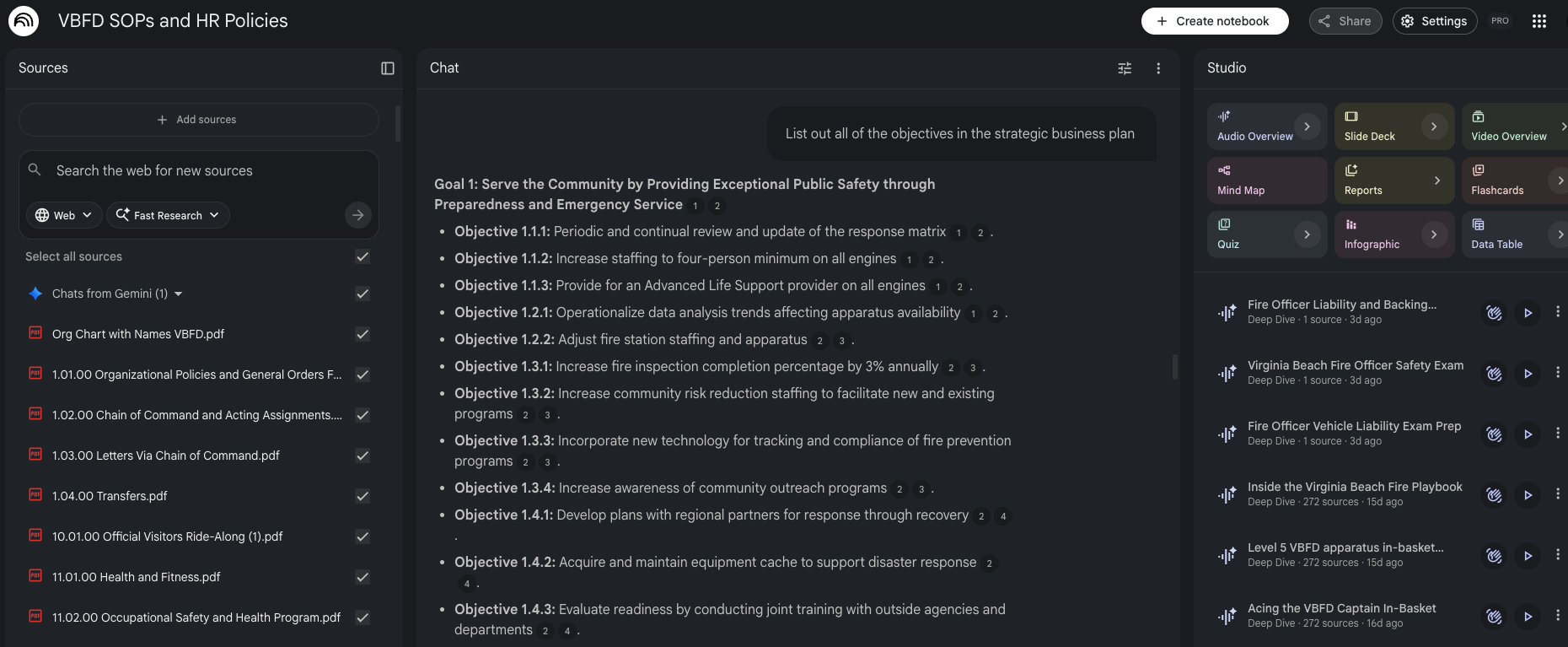
Put every single SOP, protocol, memo, and basically anything that will be on the test into 1 notebook in NotebookLM. You might need a pro account to handle the volume of sources; trust me; it is worth the cost.
For every document, generate your 3 assets using specific prompts. I would ask the chat window for a “25-question exam with an answer sheet.” I then moved those files into the corresponding Google Drive folders. This Drive became my mobile classroom.
Step 3.5: The Daily SOP Workflow
Generating the assets is only half the battle. You need a consistent rhythm to ingest them. My process was identical for every single SOP, every single day.
- First, I would listen to the audio overview podcast while I was driving, working out, or doing chores. This provided the initial exposure to the concepts.
- Second, I would sit down and read the condensed study guide to see the information in a structured format.
- Third, I would take the 25-question exam. This forced my brain to work and showed me exactly what I did not know yet.
Finally, right before bed, I would read the actual source SOP. Because I had already listened to the podcast and taken the quiz, reading the “dry” document felt like I was just connecting the dots. It made the information stick.
Note: When it came time to actually read the SOPs, I used Speechify to read the document to me at 1.25 or 1.5 speed while I followed along with my eyes. This allowed me to move through the text significantly faster and ensured I could read each SOP 2 times before I ever took the final exam. This forced my brain to ingest information through both visual and auditory channels simultaneously. It is a “biohack” that makes you learn significantly faster.
Step 4: Mastering The In-Basket And Role Play
For the oral portions, I built a dedicated Gemini Gem. I fed this Gem the specific definition of an in-basket test. I also gave it examples of 3, 4, and 5-star answers so it knew the standard.
I am incredibly passionate about a book called “Ace The Interview” by Tony Bashari. I first read it in 2014 to prepare for a job interview at the Port of Virginia. I walked out of that office interview feeling the best I have ever felt after a formal interview. Because those methods are so powerful, I decided to incorporate his logic into my in-basket answers. And yes, I did get the job at the Port of Virginia. I transcribed the audio book version of “Ace The Interview” and fed it into my Gemini Gem. Every morning, I would hit the transcription button on my Gem and say “generate an in-basket scenario.”
Once the Gem provided the scenario, I would take out a physical piece of paper and jot down my notes using the following 5-point structure:
- Brief introduction.
- Problems identified.
- Initial actions.
- Investigation steps.
- Conclusion and prevention.
After writing my notes, I would hit the transcribe button on the Gem and speak my full answers as if I were speaking to the assessor panel. This workflow was critical because it prepared me for any format. Whether the in-basket was going to be oral or written, I was ready with a solid structure for both. The Gem would then grade me based on my custom scale and tell me exactly where I missed the mark.
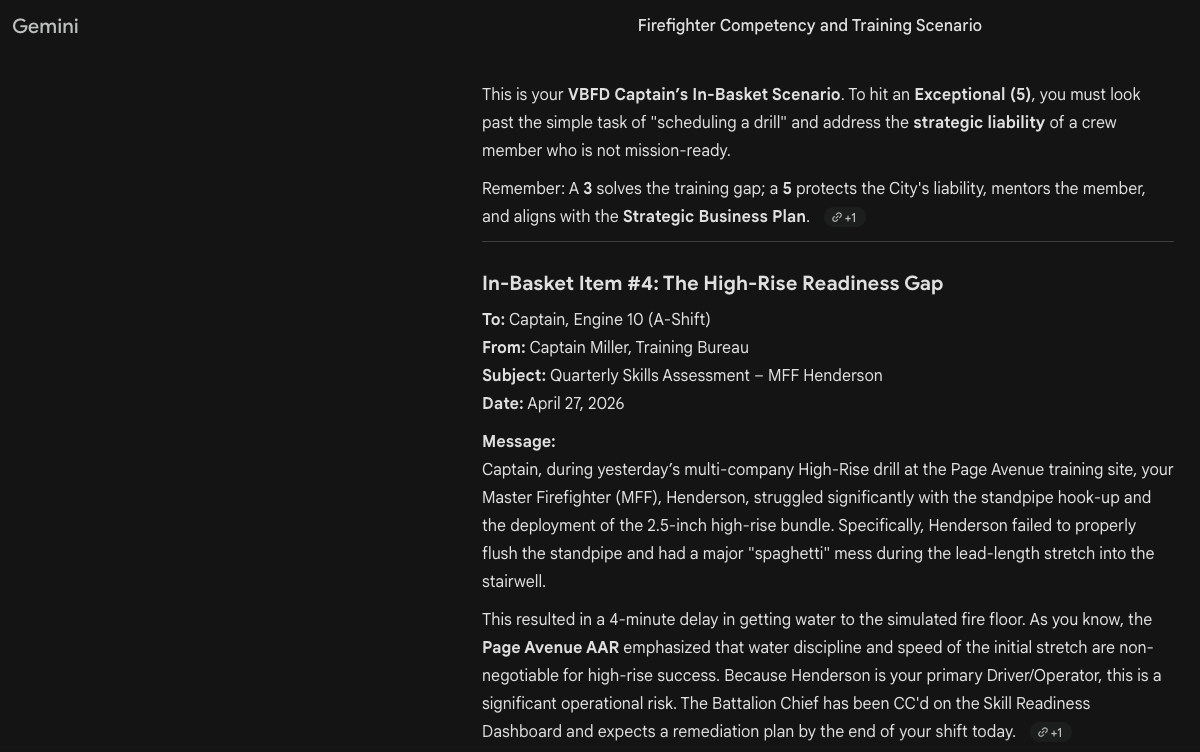
In addition to the daily drills, I maintained a lengthy Google Sheet where each tab represented a different scenario and its model answer. During the final month leading up to the assessment center, I would listen to this document using Speechify while walking the dogs or during any free time. This constant immersion ensured the patterns of a 5 star answer were always playing in my head. Here is the link to the In Basket book I made. In-Basket Book of Scenarios
Step 5: Solo Tactical Simulations
I am not an extrovert. I do not enjoy relying on other people to run scenarios with me. To prove it could be done solo, I coded my own app at firegroundsim.com. At the time of this writing, I do not know my score on the tactical. However, I can tell you that I went into that room feeling incredibly calm and prepared. I knew my assignments like the back of my hand.
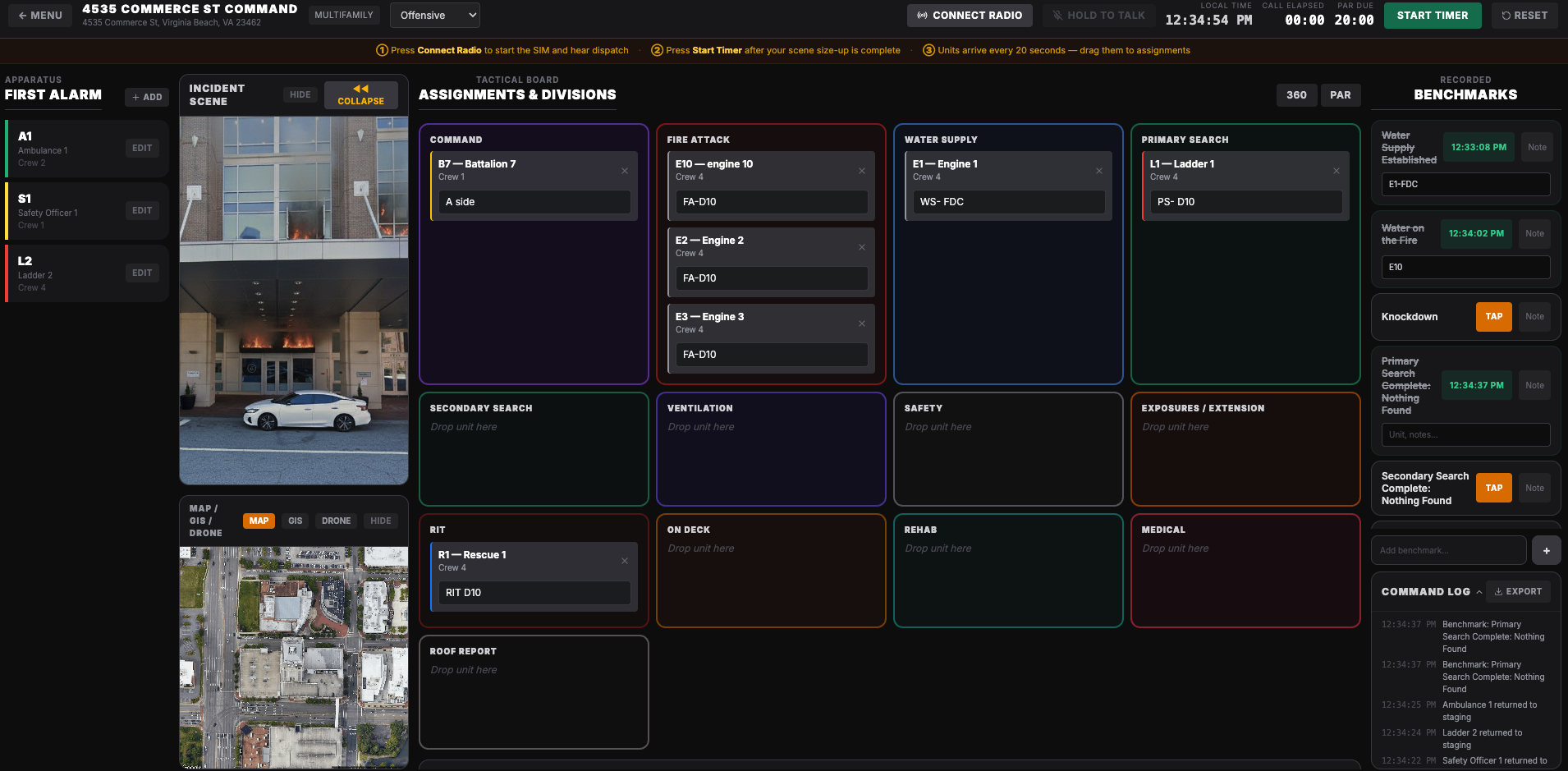
If you have ever played video games, using the command simulator is a very similar experience. While it is not “perfect” fire ground communication (because perfect communication does not exist), the hallucinatory effect of the AI voices on the radio created a perfect training ground. I was able to memorize the playbook, know exactly what each truck was doing on every structure type, and practice exactly how I wanted to sound on the radio. When the AI voices drifted on assignments, I used my command presence with short direct phrasing to get them back in line. To me, it was incredible training. Here is how the app works.
I ran these simulations several times a day for every incident in our playbook. The app also features a scene size up simulator. Every 30 seconds, it displays a different emergency scene, and you have to provide a size up on the fly.
Step 6: The Obsession Mindset
I stopped listening to music at the gym. For 4 months, I only listened to SOP podcasts or audio overviews. I used Speechify to read documents to me while I followed along on the screen. During those four months, if I wasn’t actively studying, I was preparing my study assets in notebookLM or Gemini in preparation for studying. I read every SOP at least 2 times. I took hundreds of exams; literally hundreds.I woke up thinking about the promotional process and went to bed thinking about the promotional process. If I had a strong study week and got through everything I planned to do and felt very strongly about it, I would take Sundays off.
For me, AI was not a shortcut. It was just a way to immerse myself in the material in a way that I haven’t been able to do before. I did it my own way and honestly, I had a lot of fun doing it. I did the work, but I used AI to make that work more effective.
Using AI to prepare for my promotional process wasn’t about finding a cheat code, it was about building a high-fidelity training environment that matched the intensity of the job. By offloading the administrative burden of studying to Gemini and NotebookLM, I was able to spend 100% of my energy on high-value cognitive work: active recall, tactical decision-making, and command presence.
The results spoke for themselves, but the process proved something even more valuable: AI is a force multiplier, not a substitute for effort. You can build the most sophisticated study bot in the world, but if you don’t sit in the chair and do the reps, the system fails.
Ready to Build Your Own Bespoke Academy?
If you have a high-stakes test or a promotion on the horizon, don’t leave your preparation to chance. At Ask Lucy, I help professionals build the same custom AI systems I used to dominate my assessment center.
I can help you architect the tools, but you have to bring the drive. If you’re ready to put in the work and want an AI partner to ensure not a single second of your study time is wasted, let’s talk.