
How I Wrote My Book Using AI
A Firefighter’s Field Manual Built by Discipline, Not Algorithms
When people hear I wrote my entire book using AI, their eyebrows go up. Some think I handed a robot the keyboard and said, “Go for it.” That’s not what happened.
The truth is, The SOPs of Vitality was a collaboration, mostly human, but also part AI precision. Knowing which AI tools to use at different stages of the project was the key to success and what most people don’t understand about AI. AI is so much more than a Chat GPT chat box. Knowledge of AI workflows and how each tools works is vital for anyone or any organization interested in seeing a return on their AI use and/or investment. The SOPs of Vitality was a partnership that turned twenty years of lived experience into a structured, publish-ready book faster than I ever thought possible.
Here is how I did it:
1. The Starting Point: A Conversation With an AI Architect
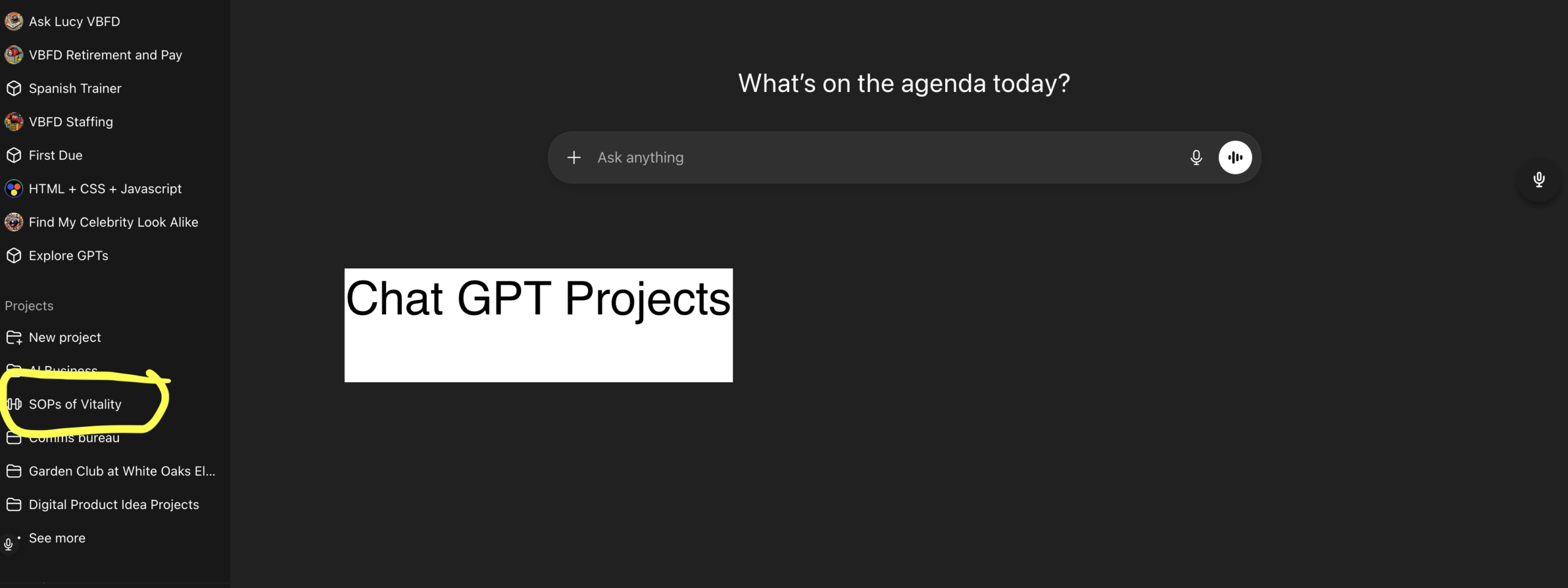
Every project starts with a question. In this case, ChatGPT started with over 100 of them. The first step was going to ChatGPT and create a “project”. Projects are on the left side of the page and are great for storing information about a particular project you’re working on without having to give the AI instructions over and over again about what you’re trying to do. I named the project folder The SOPs of Vitality and prompted it to write 100 interview style questions as it relates to health and fitness.
I told it to act as an interviewer — not a ghostwriter. It asked about everything: mindset, sleep, training, nutrition, discipline, recovery, even the mental side of getting your life together. The end result was over 100 interview style questions related to every single subject talked about in the book.
Then I did what I do best: I talked.
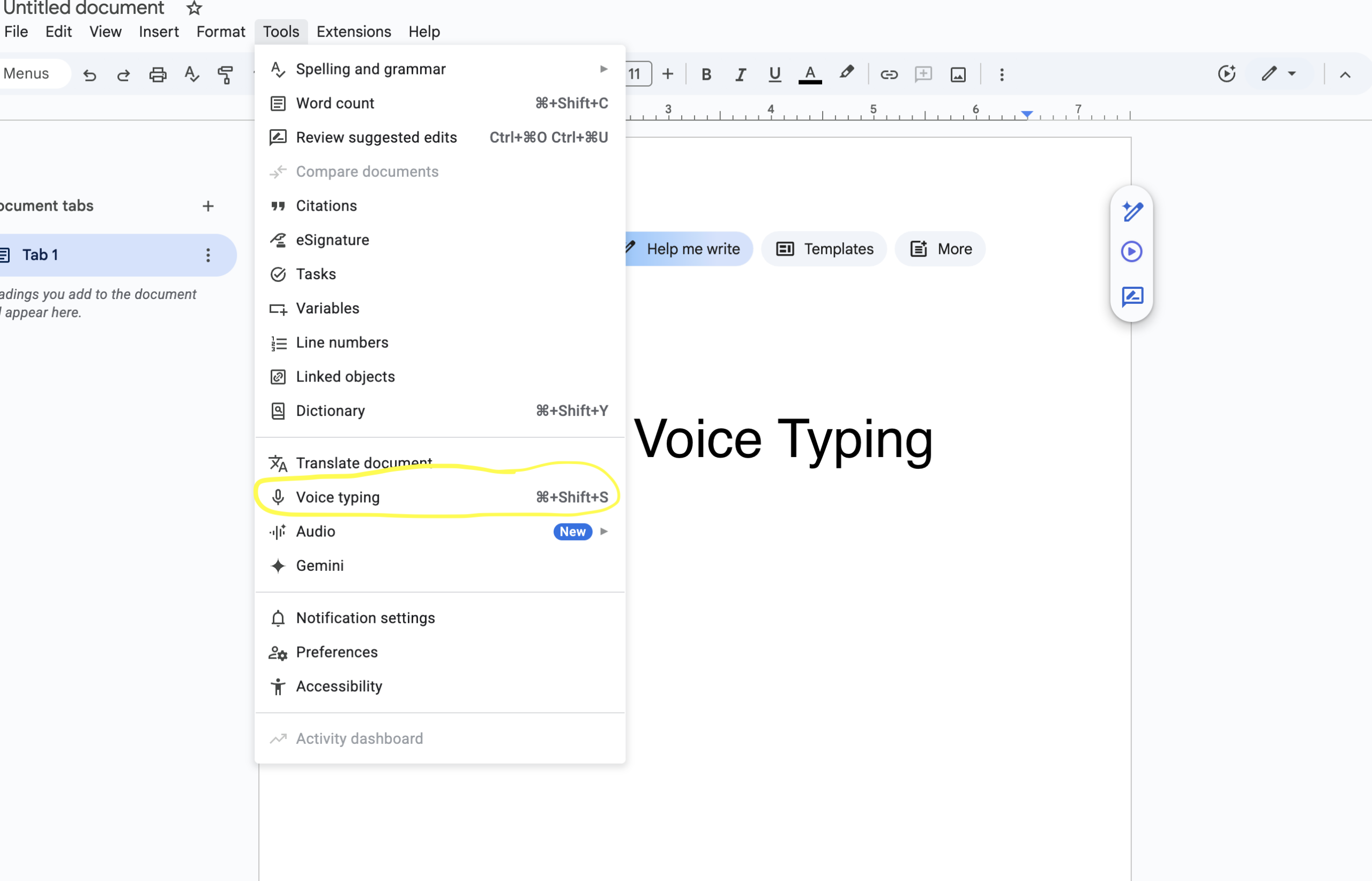
I took the interview questions that Chat GPT gave me and copy pasted them into a Google Doc. I then used Google Docs’ talk-to-text feature to answer and talk about each questions. No typing, just talking. I recorded long, unfiltered answers to every question. These weren’t polished essays. They were stories, lessons, and reflections straight from me. This process was deep. It forced me to look inward and backward on many insecurities I had with my weight and appearance. It took several weeks to get through answering every question. Some answers were pages long, others were paragraphs.
This Google Doc became the raw material — the foundation for every SOP, every story, and every principle that ended up in the book.
2. Turning Chaos Into a System
Next, I returned to give ChatGPT a test.
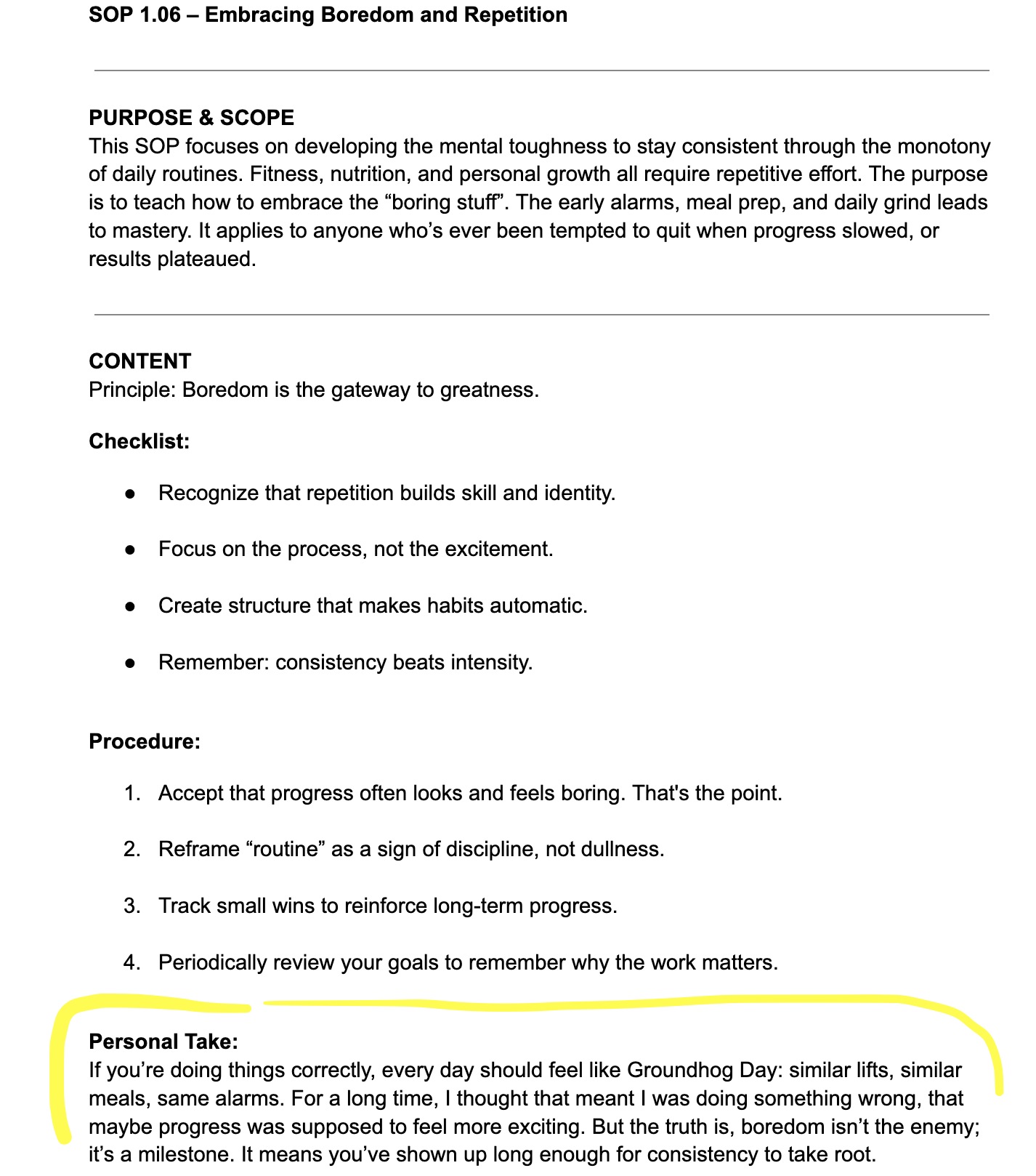
I uploaded a sample SOP into the project folder and asked it to replicate the structure — clear sections, definitions, principles, checklists and procedures. I then instructed it to add in a new section called “personal takes”. Personal takes is a section of each SOP where I get the opportunity to show how I applied the SOP to my life. I asked it to fill in the bare bones content, explicitly pulling the content from my interview answers and tie it all into fitness, routine structures, nutrition, daily habits, general health subjects, and many more subject areas.
Once we nailed the format, we built iterated and brainstormed and, ultimately, we formed the book’s skeleton together:
-
5 Major Sections (Mindset, Training, Nutrition, Recovery, Longevity)
-
10 SOPs in each section
-
50 total chapters that connected seamlessly like a manual
3. The “Human” Touch: My Personal Takes
Every page in The SOPs of Vitality ends with a “Personal Take.” That’s the heartbeat of the book, the part where I strip away structure and talk to you like a friend.
I wrote each of those by hand. AI was my proofreader, but the content came straight from my head to my fingertips.
ChatGPT then stepped in as my editor and accountability partner. It helped me tighten sentences, keep my tone consistent, and make sure I wasn’t drifting into fitness-guru nonsense.
The result was clean, conversational, and real. The kind of writing no non-sense, cut to the chase writing you’d come to expect from reading an SOP.
4. From Words to Pages: The Technical Side
Once the writing was done, it was time to get the book ready for print and digital release. My AI project folders shifted from writing and editing to directing how to format the book both for Kindle and spiral bound paperback. Instead of having my interview questions and sample SOP in the project folders, i replaced it with documentation straight from Amazon’s and Lulu’s website about how to go from document to book.
I uploaded Amazon KDP and Lulu publishing guides into my ChatGPT project folder and asked what steps I needed for proper formatting. Think fonts, page sizes, margins, and image resolutions.
It walked me through every step like a seasoned editor. If I had a question or problem, I asked Chat GPT within the project folder because the answers would be rooted in the source documentation I uploaded. Instead of reading through the dozens of pages on instructions, i just asked AI.
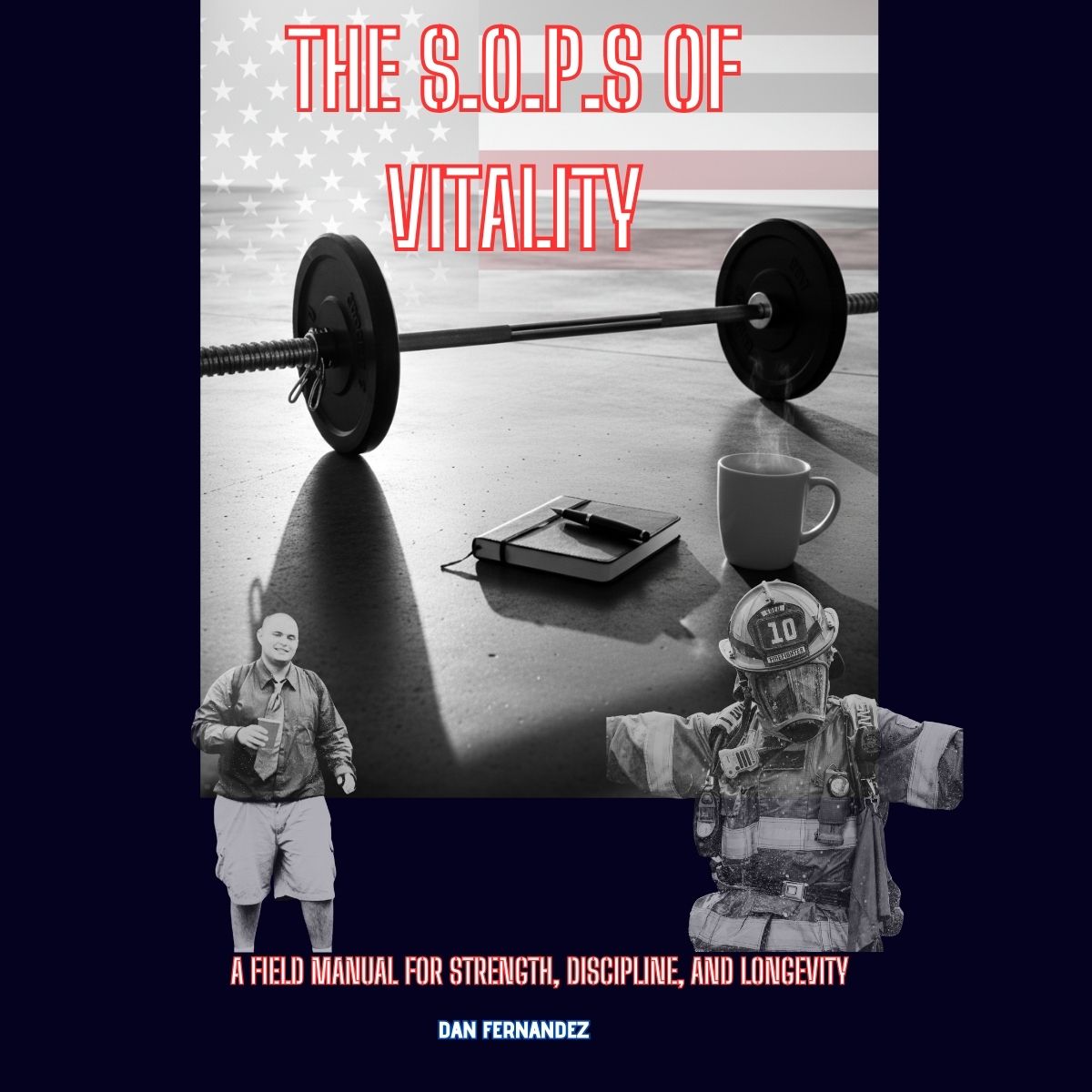
For the visuals, I used Nano Banana (an AI design tool from Google) to create the cover concept, then polished and resized it in Canva for both eBook and paperback specs. Nano Banana, upon proper prompting, produced the cover image for this book and it was 100% spot on with the barbell, a journal, and a cup of coffee. As you will see when reading the book, these tools on the cover represent my entire foundations of success. Something I hadn’t seen in that light until the AI showed me. I then moved the image over to Canva for the final touches- think blending, opacity of certain features, adding text, etc. I added a couple of my own pictures, played with some cropping and transparency tools and I was pretty much finished. Canva lets you re-size your images to any spec needed so I relied on the ChatGPT project folder to tell me exactly what sizes I needed for the various forms the book would be available and downloaded the cover for Kindle specs and print specs.
By the end of that week, I had professional-grade files ready for both Amazon, Lulu, as well as PDF version I could distribute on my own website. The entire process, from idea to publication, took several weeks instead of several months or years. To boot, the only actual “typing” I did was the personal take on each page.
5. What I Learned From Co-Writing With AI
Writing with AI doesn’t mean letting it write for you. It means having a tech system that pulls the best out of you; just faster. I may have never written this book if I had to type and format every page myself. However, using the right AI tools for the right job drastically cut the production time down.
Here’s what the process taught me:
-
AI speeds up structure, not soul. I provided the experience; it handled the architecture.
-
Voice still matters most. Without your stories, AI is just a calculator with grammar skills.
-
Editing is collaboration, not surrender. I stayed in control of the message, ChatGPT just kept me focused.
-
Creativity multiplies when you remove friction. The less time you spend formatting or second-guessing, the more time you spend writing.
6. Final Thoughts: The Real Work Still Matters
AI didn’t write The SOPs of Vitality. It helped me organize the lessons I’d already lived.
Discipline, consistency, and early mornings still did the heavy lifting. The same habits that built my body built this book: showing up every day, making progress even when it wasn’t perfect, and trusting the process.
If you’re an author, coach, or creator thinking about using AI, don’t be afraid of it. Just remember: it’s not your replacement, it’s your reinforcement.
AI didn’t replace my work ethic, it amplified it.
7. Want to Go Deeper?
If this behind-the-scenes story gave you a new appreciation for what’s possible when discipline meets technology, you’ll enjoy exploring the book itself.
The SOPs of Vitality is available on Amazon (ebook and paperback) and through Lulu for the spiral-bound edition — designed for those who like to write, highlight, and make it their own. Using AI, I also quickly vibe coded a landing page that features the book with a free PDF download.
Each section of the book: Mindset, Training, Nutrition, Recovery, and Longevity is broken down in more depth on my blog SOPsofVitality.com. There, you can read sample SOPs, discover the philosophy behind each chapter, and see how the system can help you build a stronger body, sharper mind, and more disciplined life.
If this post resonated, share it with someone who’s been thinking about starting their own book or leveling up their habits. The process might start with AI, but the transformation begins with action.
8. Bringing Ideas to Life with Ask Lucy
The process of writing The SOPs of Vitality showed me something powerful. AI isn’t here to replace creativity. It’s here to organize it, amplify it, and help you finish what you start.
That’s the mission behind Ask Lucy. My AI consulting brand built to help creators, teams, and organizations bring their next big idea to life.
Whether you’re an author, entrepreneur, or part of a public-safety agency, we help you use AI the right way: to clarify ideas, streamline workflows, and turn rough concepts into finished products.
If you’ve got a project you’ve been sitting on — a book, a business idea, or a system that needs structure, visit AskLucy.us. Let’s make it real.